
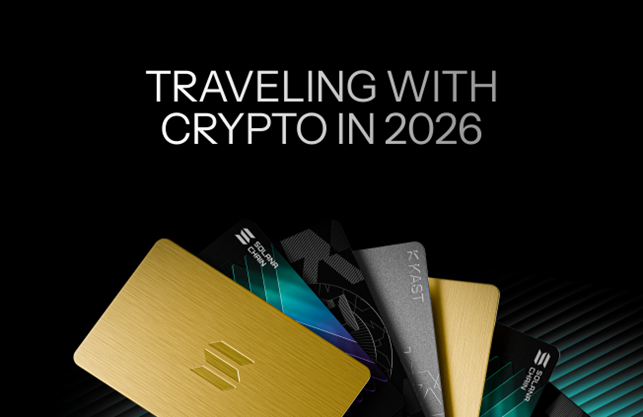
Traveling with crypto sounds simple until you try to use it during a real trip.
You land, start moving through your day, and payments happen fast. You tap for transport, book a service, pay for food, or handle a deposit. Later, when you check your transactions, the payment went through, but the process may not feel as clear or efficient as expected.
That is where most travelers notice that crypto works during travel, although the setup matters.
The most practical method in 2026 is not usually direct crypto payments at every merchant. It is a stablecoin-based spending connected to card access so that travelers can use digital funds through payment systems they already understand.
Why daily travel spending still creates friction
Travel brings many small payments in a short time.
You may deal with different currencies, unfamiliar checkout screens, local payment habits, and exchange rate prompts. Some costs appear at the moment of payment. Others only become clear when you review the final transaction.
Traditional travel payments can also add several layers. A card payment may include currency conversion, bank fees, provider fees, and merchant side prompts. One payment may look small, but several small costs can build across a full trip.
Stablecoin based spending helps reduce part of that friction because funds stay digital and can move into real world card payments when needed. The main value comes from control, visibility, and easier access during daily use.
What actually works: Stablecoins with card access
A stablecoin card lets travelers keep funds in crypto while paying through regular card networks.
When a traveler makes a payment, the card handles the spend flow through supported payment rails. From the user side, the process feels familiar. They tap, confirm, and move on.
The important part happens behind the scenes. A stablecoin balance becomes usable for online payments, in store purchases, bookings, deposits, and other card based situations.
This setup matters because most merchants do not accept direct crypto payments. However, many already accept card payments. A crypto connected card bridges that gap without asking the traveler to change how every merchant gets paid.
Where travelers can save more control
Crypto travel spending depends on how each payment is handled.
A good setup helps, but small choices still matter. Currency prompts, conversion rules, ATM withdrawals, and funding habits can all affect the final cost.
1. Choose local currency at checkout
Some payment terminals ask whether you want to pay in your home currency or the local currency.
The home currency option can look easier because it shows a familiar amount. However, it may trigger Dynamic Currency Conversion, also known as DCC. This can include added markups inside the exchange rate.
Choosing the local currency usually gives the card provider or payment setup more control over the conversion. That can help avoid unnecessary merchant side currency charges.
2. Check conversion before you confirm
Even with stablecoin spending, a card payment still needs a conversion step.
That conversion may include a spread or other cost depending on the provider, market conditions, and payment setup. The key point is visibility. Travelers should know what amount they are confirming before the payment goes through.
A clear payment flow helps users understand the final cost, compare it with the displayed merchant amount, and avoid surprises later.
3. Use ATMs only when cash is needed
Cash can still be useful while traveling.
Some taxis, small shops, local markets, or service providers may prefer it. However, ATM withdrawals can add extra costs from the machine operator, the card provider, or currency conversion.
Using a card directly where accepted can reduce those extra layers. It also keeps more spending visible in one place.
4. Plan how you will fund the card
Travel costs start before the first payment.
Moving crypto between wallets or networks can involve network fees. These fees vary by chain and can become more noticeable when users make several small transfers.
A better travel setup starts with planning. Travelers can fund their balance in advance, avoid repeated small transfers, and use lower fee networks where available.
What a smooth daily travel flow looks like
A smooth crypto travel setup should feel boring in the best way.
The traveler books a service, pays at a store, covers a meal, handles a deposit, or confirms an online purchase without changing tools every time. The same card based flow works across different moments.
That consistency makes crypto easier to use during travel. It removes the need to search for crypto accepting merchants and lets travelers focus on the trip instead of the payment method.
With a KAST card, a stablecoin balance connects to a global payment network. Travelers can use it online, in stores, or at ATMs where the card network is accepted.
What makes KAST practical for travel
KAST supports the type of payments travelers meet during real trips.
Users can spend crypto through a physical or digital card, add the card to Apple Pay or Google Pay where supported, and withdraw cash when needed. They may also earn cashback on eligible spending, depending on the applicable terms.
KAST also supports card based situations where direct crypto payments would not usually work. These can include pre authorizations for accommodation, temporary holds, and final charge adjustments.
This makes the card useful for more than simple purchases. It can support travel moments where merchants expect standard card behavior.
Real travel scenarios you should expect
Travel payments do not always settle exactly as they first appear.
A hotel, rental service, or booking platform may place a temporary hold before charging the final amount. Some services may adjust the total after the initial transaction. Small daily payments can also add up quickly across transport, food, bookings, and local purchases.
Payment terminals may also show currency options. Choosing the wrong prompt can add an avoidable conversion layer. Checking the currency and final amount before confirming helps keep spending clearer.
These details are normal in travel. They become easier to manage when the traveler knows what to expect before the trip starts.
A simple pre-trip setup that helps
A few checks before departure can prevent common payment problems.
Travelers can make one small test payment, fund their balance before the trip, keep extra funds for temporary holds, and keep a backup payment method. They should also know where to review card transactions inside the app.
This is not about over-preparing. It is about making sure the card works before the traveler needs it in a busy moment.
Make crypto useful in daily travel
Traveling with crypto in 2026 is not about replacing every payment system.
It is about making digital funds usable in real places, through payment methods that already work across daily travel. Stablecoin-based card access gives travelers a practical way to pay, track spending, and manage funds across different situations.
For travelers who want crypto to do more than sit in a crypto wallet, KAST provides a card-based way to use digital funds during real trips.
See how KAST can help turn crypto into everyday travel spending.
About The Author