
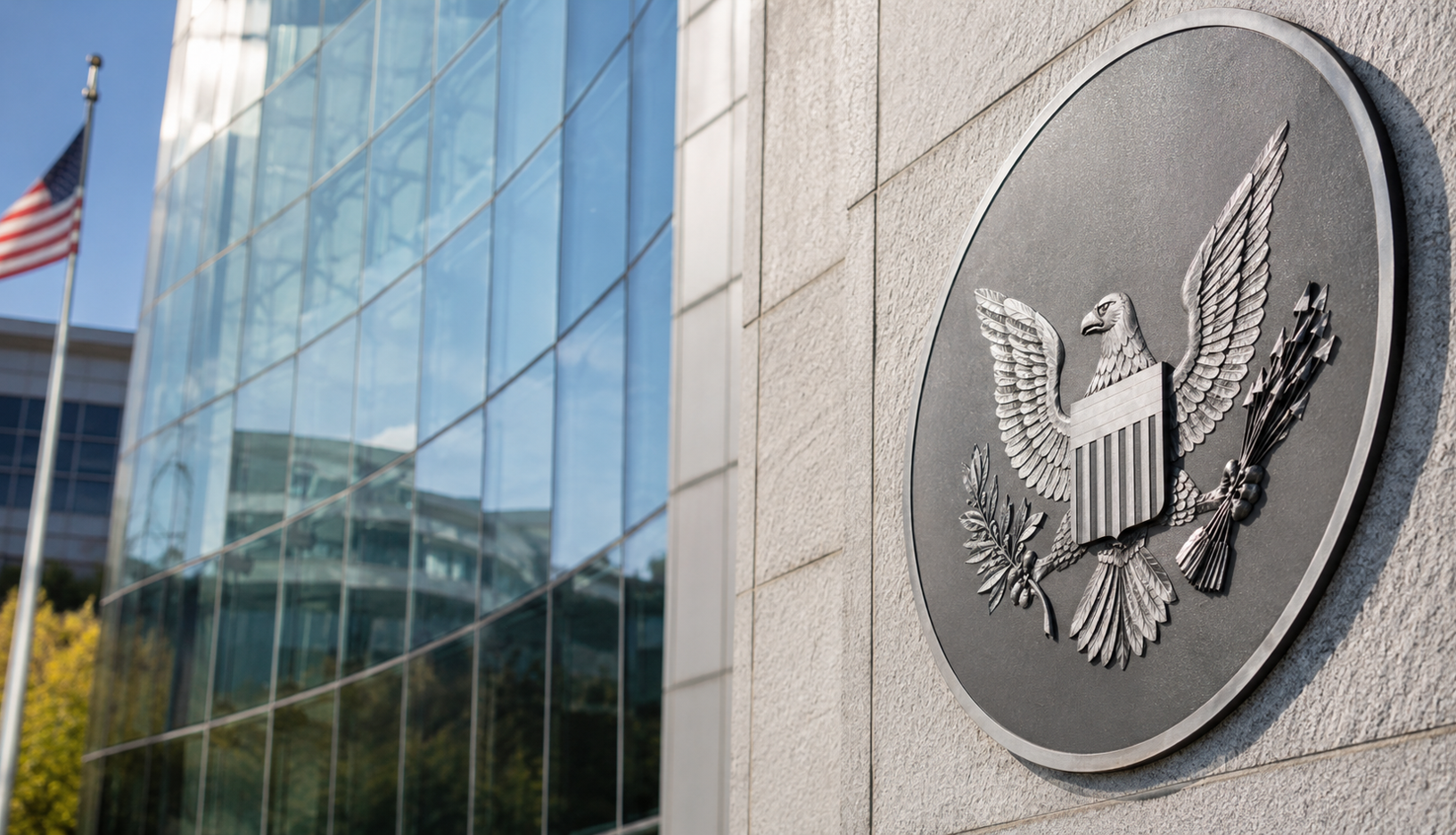
Paxos has received approval from the US Securities and Exchange Commission (SEC) to operate as a clearing agency and central securities depository (CSD) for traditional equities in the United States, marking a major step in the integration of blockchain infrastructure into mainstream financial markets.
The approval was granted to Paxos Securities Settlement Company (PSSC), a subsidiary of Paxos. The registration allows the company to provide clearing and settlement services for securities transactions while using blockchain technology as the underlying infrastructure.
The decision makes Paxos the first blockchain-native company authorized to function as a CSD for US equities. The move places the company in a category traditionally dominated by established market infrastructure providers that handle the post-trade settlement of stocks and other securities.
The SEC approval follows years of regulatory engagement between Paxos and US authorities. In 2019, the company received a no-action letter from the SEC to test blockchain-based settlement systems for equities. That pilot later involved major financial institutions including Bank of America, Credit Suisse, and Société Générale.
At the time, the pilot was designed to test whether distributed ledger technology could support faster and more efficient settlement processes without disrupting regulatory oversight. The program focused on reducing delays and operational inefficiencies tied to traditional settlement systems.
Faster settlement becomes a key focus
The current US equities market largely operates on a T+1 settlement cycle, meaning trades are finalized one business day after execution. Before the shift to T+1 in 2024, the industry relied on a T+2 system for years.
Paxos has been pushing for shorter settlement times through blockchain-based infrastructure. According to the company, its technology can support same-day settlement, often referred to as T+0 settlement.
Shorter settlement windows reduce the amount of collateral tied up during the clearing process and lower counterparty risk between financial institutions. This has become an important issue for regulators and market participants following periods of market volatility in recent years.
The company has argued that blockchain systems can improve capital efficiency because assets and cash can move simultaneously on a shared ledger rather than through multiple intermediaries.
Paxos CEO Charles Cascarilla said the approval represents the culmination of roughly seven years of work with regulators to modernize market infrastructure using regulated blockchain systems.
The approval also reflects growing institutional interest in tokenization and digital asset infrastructure. Financial firms have increasingly explored blockchain technology for traditional financial products including bonds, equities, and money market funds.
Several large institutions have already launched tokenization initiatives over the past two years. Firms such as BlackRock, Franklin Templeton, and JPMorgan have expanded blockchain-related financial products aimed at institutional investors.
Traditional finance and blockchain infrastructure continue to merge
The SEC registration gives Paxos a more direct role in traditional financial markets beyond stablecoins and crypto services.
Paxos is already known for providing infrastructure tied to digital assets and payments. The company has worked with firms including PayPal, Mastercard, Mercado Libre, and Interactive Brokers on crypto-related services and blockchain integrations.
PayPal launched its US dollar-backed stablecoin in partnership with Paxos in 2023 before later transitioning parts of the operation internally. Paxos has also operated regulated custody and blockchain infrastructure businesses across multiple jurisdictions.
The company currently maintains regulatory oversight from agencies including the Office of the Comptroller of the Currency in the United States, the Monetary Authority of Singapore, and Finland’s Financial Supervisory Authority in Europe.
The SEC approval arrives at a time when regulators and financial institutions are paying closer attention to blockchain-based settlement systems. Global consulting firms and financial market operators have repeatedly pointed to settlement inefficiencies as one of the areas where distributed ledger technology could deliver measurable savings.
Post-trade processing in traditional markets still involves multiple intermediaries, reconciliation procedures, and delayed settlement periods that can increase operational costs. Blockchain-based systems aim to simplify those processes by maintaining a synchronized record of transactions across participants.
While the broader adoption of tokenised securities remains in the early stages, the SEC’s decision gives Paxos regulatory standing to expand its role in the infrastructure layer of US capital markets.
The approval is also likely to increase competition in the clearing and settlement sector, an area that has historically been concentrated among a small number of financial infrastructure providers.
About The Author